JAWLINE TEST
Upload a selfie. AI scores your jawline across 5 structural traits — gonial angle, sharpness, chin projection, mandibular width, symmetry — and returns a 0-100 jawline score plus a verdict.
Best results: 3/4 angle or front-facing, lower face visible, no hand under chin. Photo isn't stored.
The 5 Jawline Components
A jawline isn't one thing. We score five structural components separately and compose your overall score.
The angle at the back of the jaw. Sharper (~120-125°) = more masculine.
Definition of the line from ear to chin. Sharp = clear bone edge.
How far the chin projects forward. Strong = aligned with lower lip.
Lower jaw width relative to cheekbones. Ideal ~92-94% bizygomatic.
Left vs right jawline matching.
The Jawline Spectrum
Five tiers based on your overall 0-100 jawline score. Most men land in "average." Chiseled is rare.
Jawline score: 80+
You have the full chiseled-jaw structural combination — sharp gonial angle, clean jawline definition from ear to chin, strong forward chin projection, balanced mandibular width, and good symmetry.
Jawline score: 65-79
You have most of the chiseled-jaw structural traits with one component holding you back from full chiseled status.
Jawline score: 45-64
Your jawline sits in the middle — some defined traits, some soft, no dominant pattern.
Jawline score: 30-44
Your jawline reads as soft — likely some combination of low gonial angle definition, jawline edge obscured by soft tissue, or weaker chin projection.
Jawline score: ≤ 29
Your jawline reads as significantly recessed — some combination of weak chin projection, low gonial angle, narrow mandibular width, and soft / blended jaw edge.
The Five Jawline Tiers
Visual reference for each tier. The colored glow traces the relevant jaw structure for that classification.
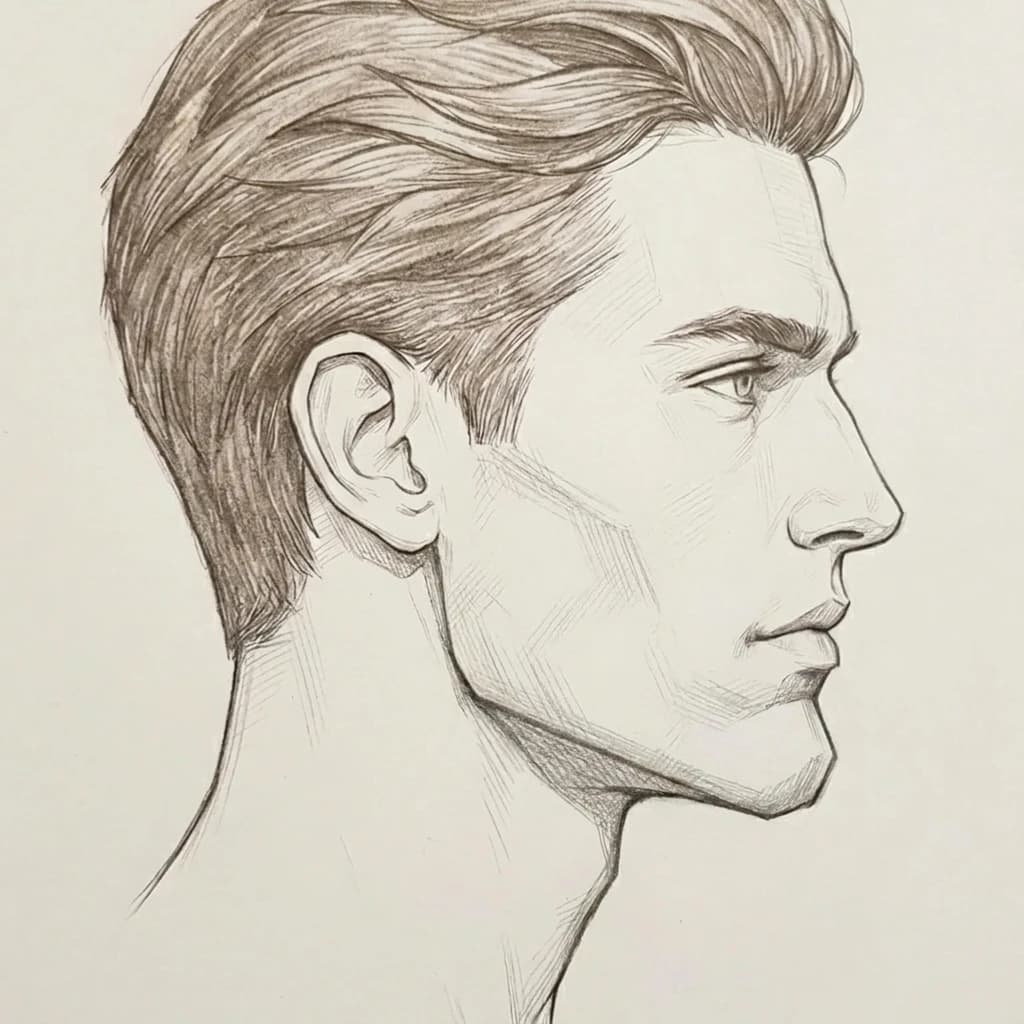
Sharp gonial angle, clean jawline edge from ear to chin, strong forward chin projection, balanced mandibular width. The structural ceiling — lower face is doing visible work in the overall read.
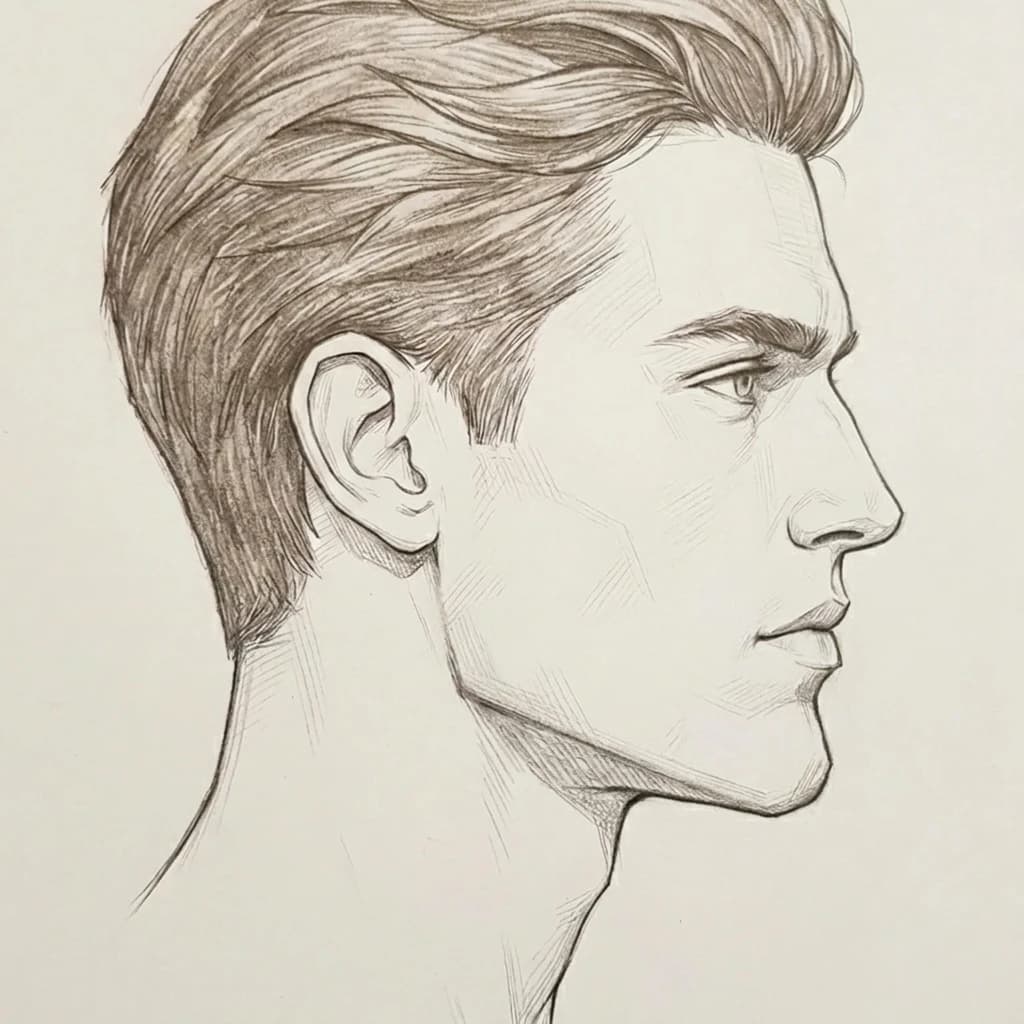
Clear gonial angle and good mandibular width with a slightly softened jawline edge — often body fat masking otherwise strong bone structure. The most common 'attractive' jaw read.
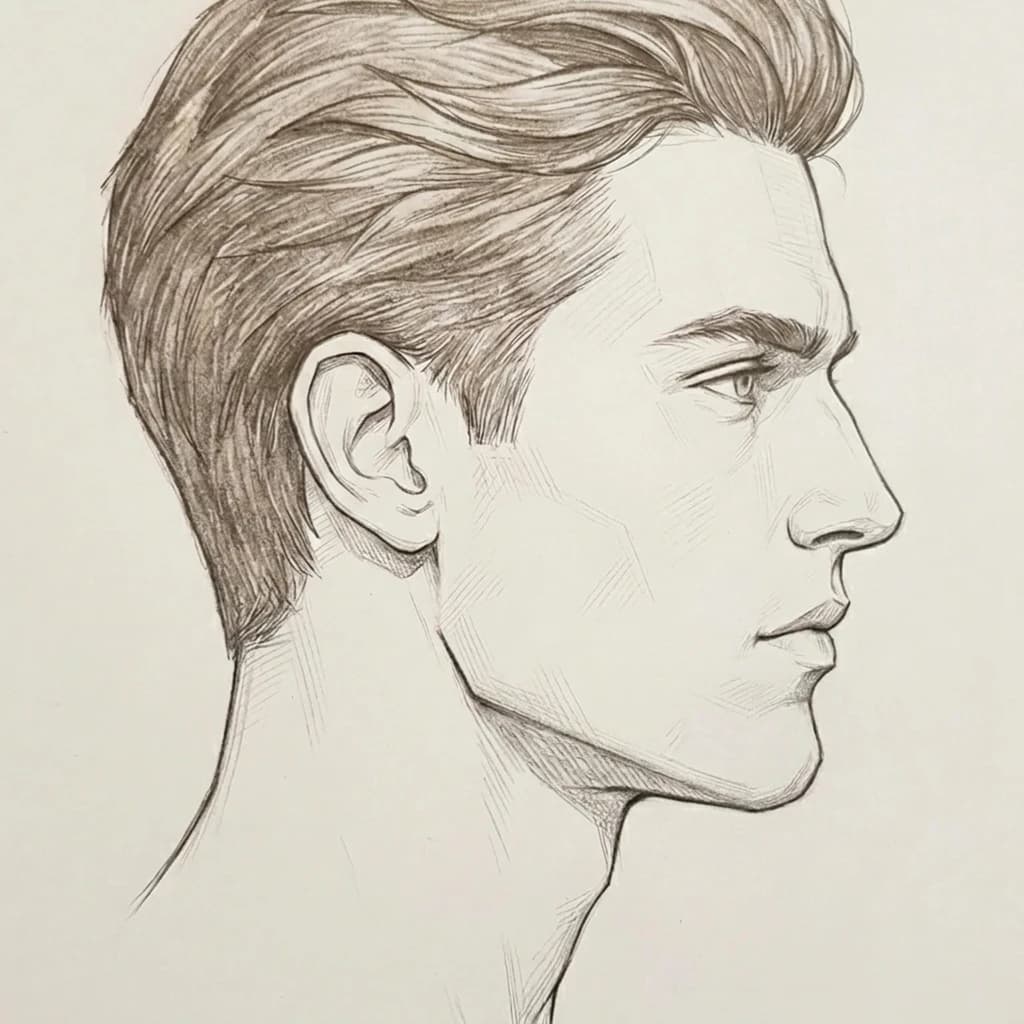
Moderate gonial angle, average mandibular width, neutral chin projection. The most common result — neither dominant nor weak. The rest of the face does most of the visual work.
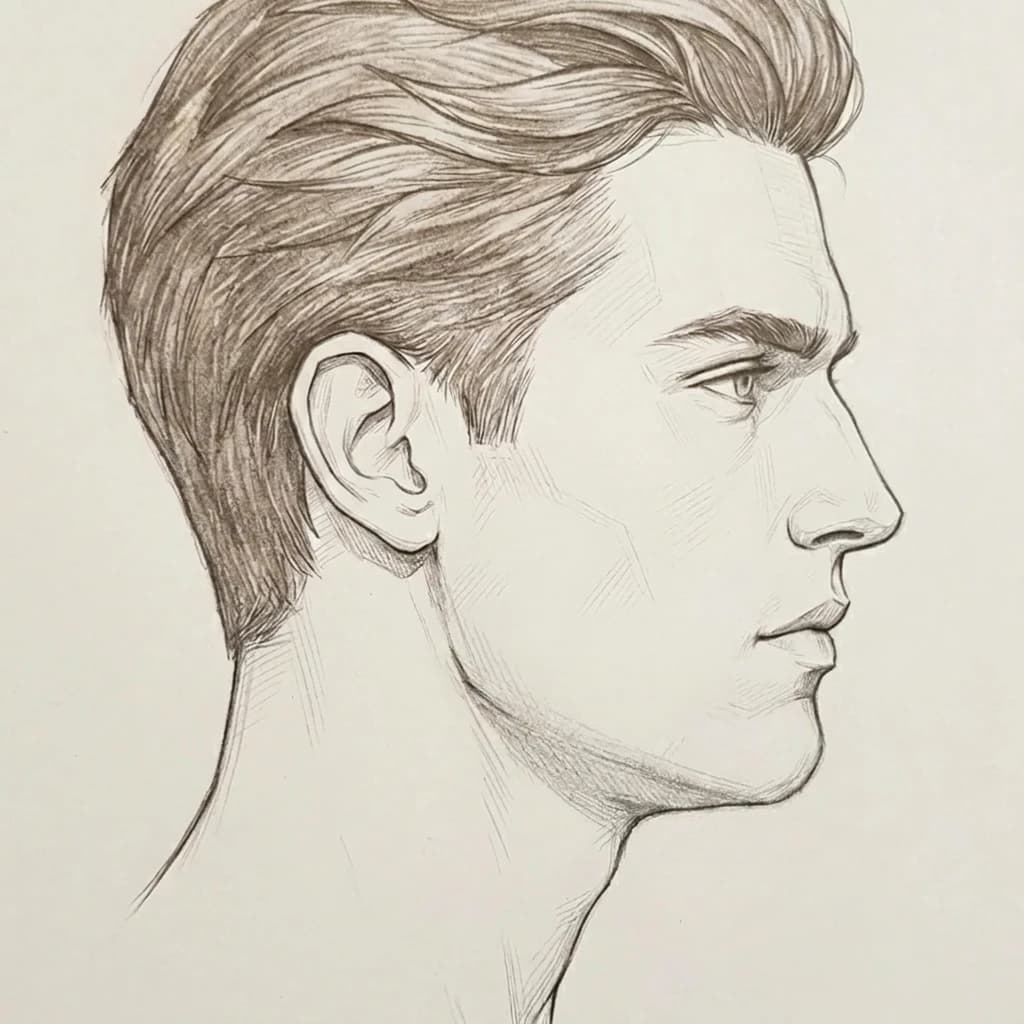
Softer gonial angle, narrower mandibular width, less projected chin. Often partly body-fat-driven — many guys move soft → defined just by dropping 4-5% body fat.
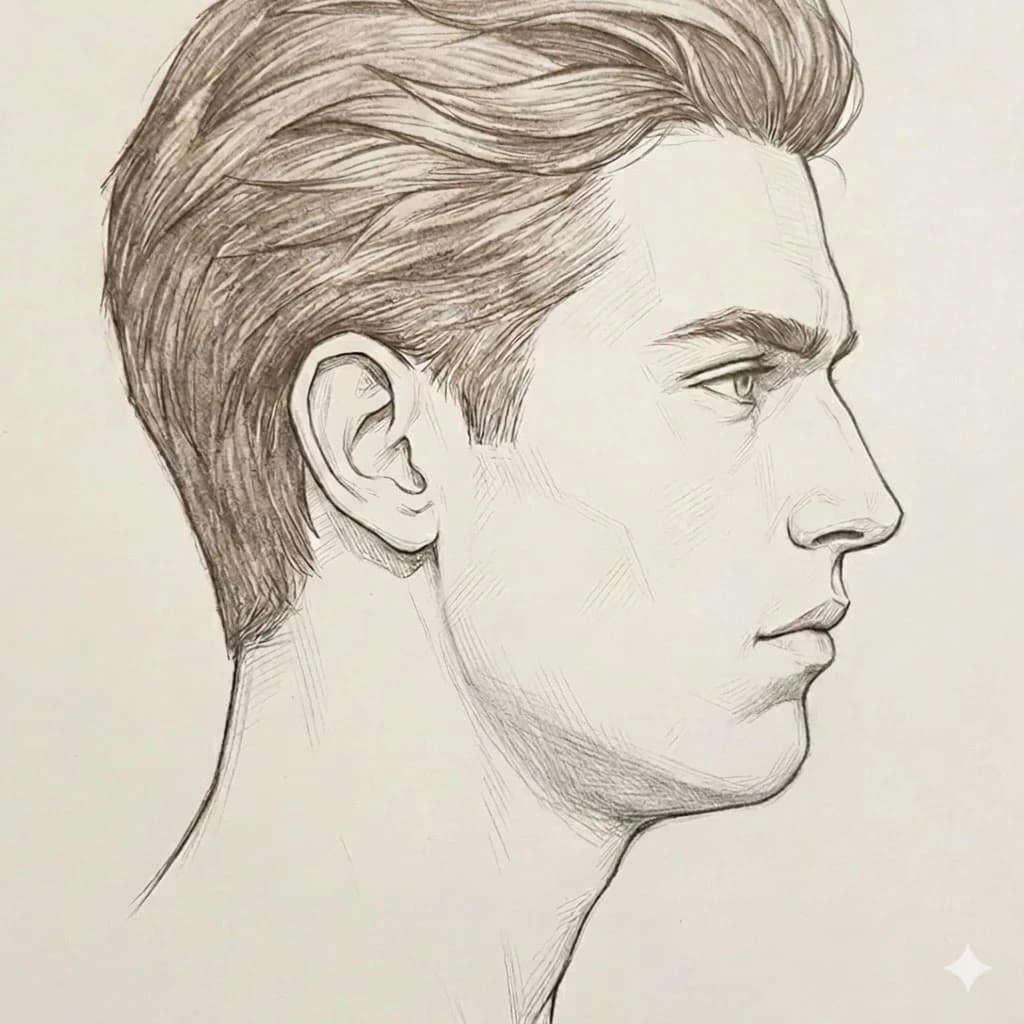
Significantly receded chin, soft / blended lower jaw transitioning into the neck, no clear gonial angle. Class II skeletal pattern. Structural change typically requires surgery (genioplasty, BSSO, mandibular augmentation).
How The Jawline Test Works
3/4 angle or front-facing selfie. Lower face fully visible — no hand under chin, no heavy beard hiding the jaw line, neutral expression.
AI scores gonial angle, jawline sharpness, chin projection, mandibular width, and symmetry — each 0-10. These are the five structural traits the looksmax community uses to assess male jawlines.
Your five component scores combine into a 0-100 jawline score and one of five verdicts (Chiseled / Defined / Average / Soft / Recessed), plus an honest read on what (if anything) you can do about it.
Tips For An Accurate Read
Jaw structure is sensitive to angle, beard, and body fat. Here's how to get the cleanest read.
Strict front-facing photos make gonial angle and chin projection hard to read. A slight 3/4 turn (15-30°) reveals the corner of the jaw and the chin profile.
No hand on chin, no high collar, no heavy beard fully covering the jaw edge. A short / well-groomed beard is fine — full beards mask the jawline edge entirely.
Don't clench your jaw (fakes a sharper jawline), don't smile hard (changes the lower face shape). Head straight, no chin lift, no head tilt.
Front + 3/4 + profile gives the most reliable read. The verdict is much more stable than the exact 0-100 number — if your verdict is consistent across angles, trust it.
What Makes A "Good" Jawline?
In male attractiveness research and the looksmaxxing community, "good jawline" is shorthand for the combination of five structural traits:
- 1.Sharp gonial angle — the corner where the back of the jaw meets the body of the mandible, ideally ~120-125° for males.
- 2.Clean jawline edge — a visible bone line from ear to chin, not blended into the neck or softened by submental fullness.
- 3.Strong chin projection — the chin sits forward, ideally aligned with or slightly behind the lower-lip vertical line.
- 4.Balanced mandibular width — lower jaw approximately 92-94% of cheekbone width. Too narrow reads as tapered; too wide reads as overly heavy.
- 5.Symmetry — left and right sides matching. Most faces have minor asymmetry; significant asymmetry reduces the visual jaw read.
Three of these (gonial angle, chin projection, mandibular width) are bone — set by your early 20s and only changeable through surgery (genioplasty, mandibular advancement, gonial angle reduction or augmentation). The other two (jawline sharpness, perceived symmetry) are heavily influenced by body fat, posture, and chewing tone — all of which you can change.
The play for non-surgical improvement: drop body fat to ~12-14%, do chin tucks daily for posture, chew tough food / mastic gum to keep masseter tone up, and consider mewing for tongue posture as a long-term practice. These can shift a soft-reading jaw 10-20 points without touching the underlying bone.
FAQ
How does the Jawline Test work?+
Upload or snap a clear photo (front-facing or 3/4 angle works best). AI scores five jaw components on a 0-10 scale: gonial angle (the corner of the jaw), jawline sharpness (definition from ear to chin), chin projection (how far forward the chin sits), mandibular width (lower jaw width vs. cheekbones), and jaw symmetry. The five scores combine into a 0-100 jawline score and a verdict (Chiseled / Defined / Average / Soft / Recessed).
What is a good gonial angle?+
For men, the most-cited 'ideal' gonial angle is approximately 120-125° — sharp enough to create a visible angular kink at the corner of the jaw, but not so sharp it reads as overly square. Female ideal is slightly higher (more obtuse) at ~125-130°. Above ~140° the gonial angle reads as soft / round. The angle is bone — set by your early 20s and not changeable without surgery (mandibular angle reduction or augmentation depending on direction).
How can I get a sharper jawline?+
Three highest-leverage non-surgical levers: (1) body fat — the single biggest lever, jaw definition is the most fat-sensitive face feature; (2) posture — chin tucks daily reduce forward head posture, sharpening the visible jaw edge; (3) chewing tone — mastic gum or hard food keeps masseter activation up. Surgical options include chin filler, masseter Botox (slims the lower face), genioplasty, and mandibular advancement.
Front-facing or profile photo — which is more accurate?+
Profile photos are more accurate for gonial angle and chin projection (you can actually see them from the side). Front-facing photos are more accurate for mandibular width, jawline sharpness, and symmetry. For best results, run the test on both and average the verdicts. The classification (Chiseled / Defined / Average / Soft / Recessed) is much more stable than the exact 0-100 number.
Does mewing actually work for the jaw?+
Honest answer: mewing has limited evidence for adult bone restructuring but is genuinely beneficial for tongue posture, oral airway, and reducing forward head posture. Those secondary effects can shift the visible jaw read modestly (5-10 points in our scoring) over months. Don't expect a chiseled jaw from mewing alone. Combine with body fat reduction and chin tucks for the best non-surgical jaw protocol.
Is my photo stored?+
Your photo is processed for the duration of one analysis request only. We don't store, share, or train on your image. After the result is returned, the image data is discarded. The result you see is just numeric scores — no image data persists on our side.
Why do I get different scores in different photos?+
AI estimates from 2D photos are sensitive to head angle, lighting, and which parts of your jaw are visible. A heavy beard, hand under chin, or extreme angle can shift component scores 1-2 points. The verdict (Chiseled / Defined / etc.) is much more stable. For the most reliable read, take 2-3 photos at slightly different angles and average them.